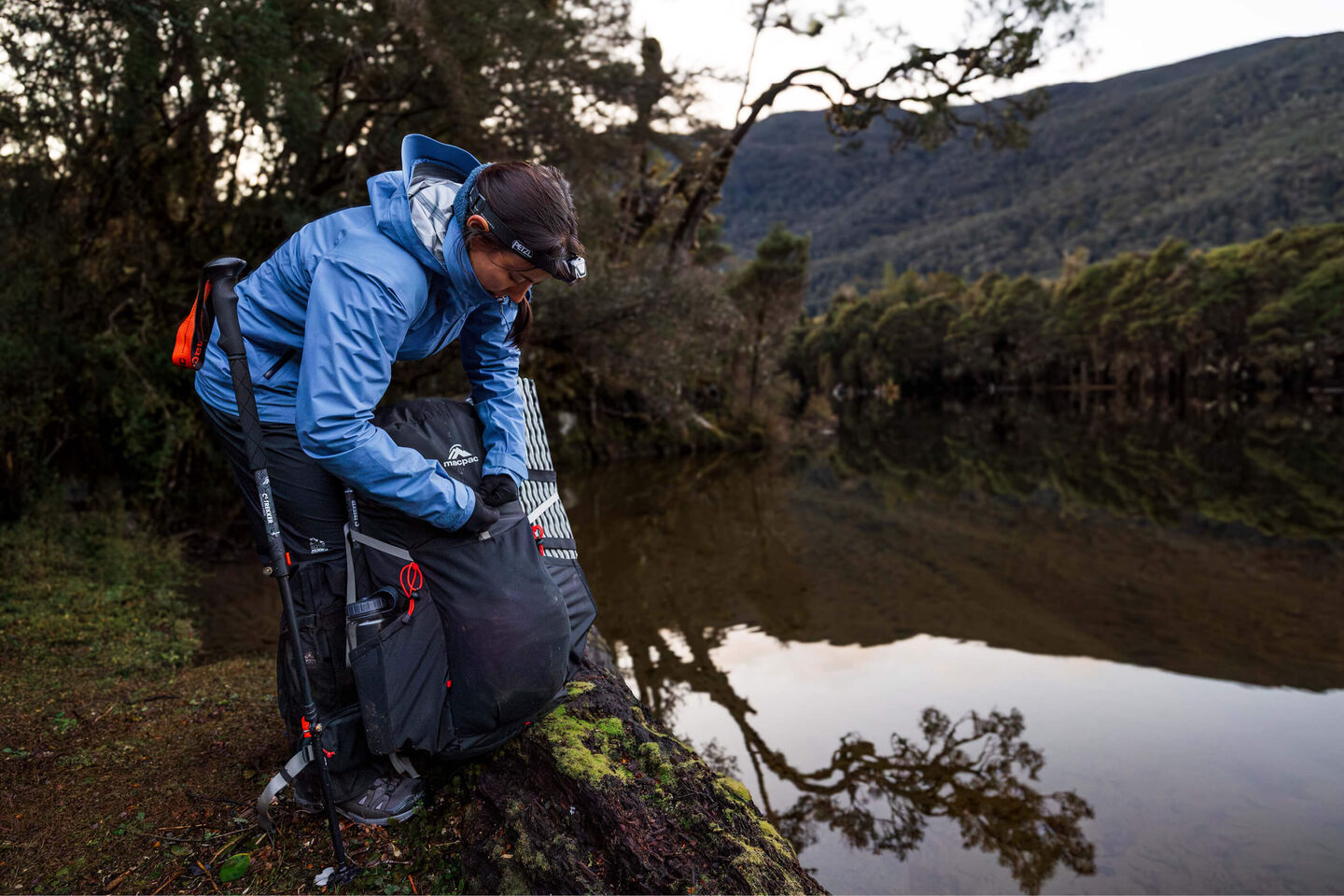
Packing your backpack for a hike in Australia isn’t always as simple as it seems.
Whether you’re tackling the Blue Mountains, taking on Tasmania’s Overland Track, or exploring the Victorian High Country, knowing how to pack your backpack properly is the difference between a comfortable hike and a painful one. And unfortunately, it’s not always as simple as chucking all your gear inand hoping the lid fits. This guide covers how to pack for single and multi-day hikes in Australia, including what goes where, how to distribute weight, and other expert tips to make your hiking pack comfortable and easy to carry across any terrain.
A Quick Packing Guide
- Pack heavy items low and close to your spine.
- Keep frequently used items near the top.
- Distribute weight evenly across your pack.
- Use the compression straps to stabilise your load.
Why Does Proper Packing Matter?
Comfort – Knowing how to pack a backpack for hiking is huge for making sure your adventure is a comfortable one. If you’re comfy, you’ll be able to push on for longer. And if you’re carrying a backpack on a multi-day hike, your tender shoulders will thank you even more so.
Stability – Packing a hiking backpack to be stable impacts both your comfort and safety. If you’re unbalanced, traversing uneven terrain may become dangerous, especially if you’re also battling the extreme heat and rapidly changing Australian weather!
Efficiency – To pack a hiking pack properly, think about the gear you’ll need most frequently. You’ll need to access essentials quickly without having to completelyempty out your gear. Trust us, rummaging for a rain jacket while standing in a thunderstorm isn’t much fun.
How to Pack a Hiking Backpack (Step By Step)
1. At the Bottom
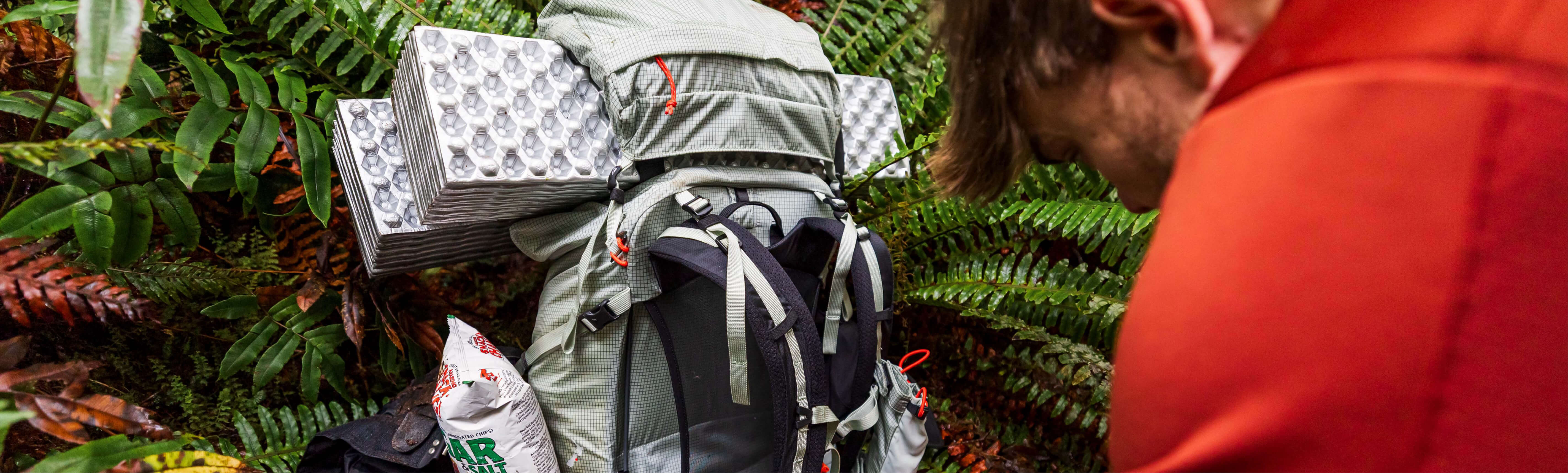
Knowing how to pack a backpack for hiking starts at the bottom, where your heaviest gear should sit snug and close to your spine. Your tent, sleeping bag, backup water bottles, spare clothes, anything that’s either big and heavy or that you won’t need in a hurry should sit here.
2. Where should I pack my tent?
Your tent should be packed vertically, close to the bottom of the pack. Make sure it’s close to your spine to maintain balance, splitting the fly and tent from the poles to save space if required. If you’re expecting rain, it’s worth considering a higher placement in the pack so you can grab it quickly when you get to camp, but make sure that the backpack remains balanced.
3. In the Core
In the middle of your hiking pack, keep your food and cooking equipment, merino layers, and compact gear like your stove. Packing these items in the middle of your backpack helps you distribute weight evenly and keeps your pack stable while you’re on the move.
4. At the Top
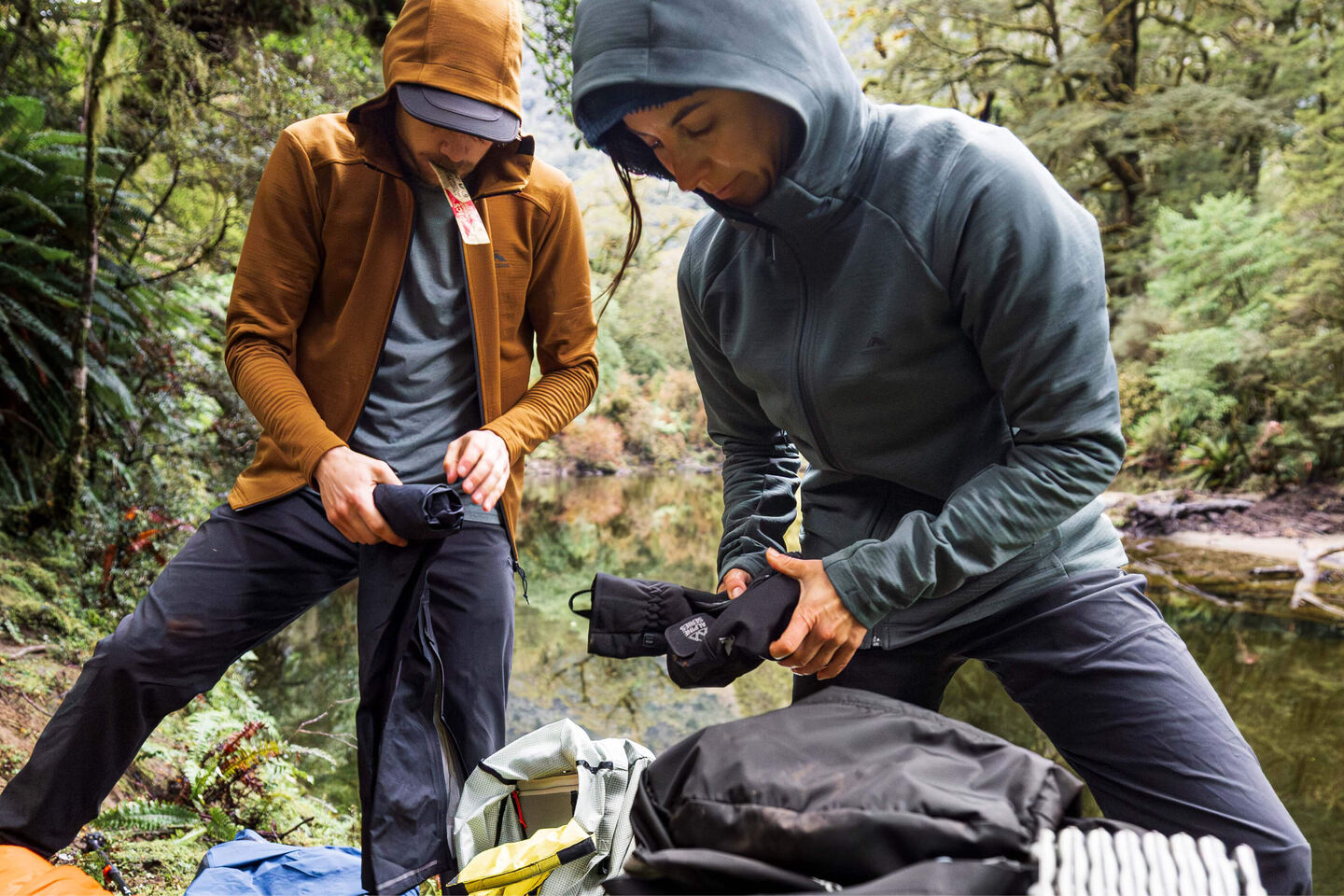
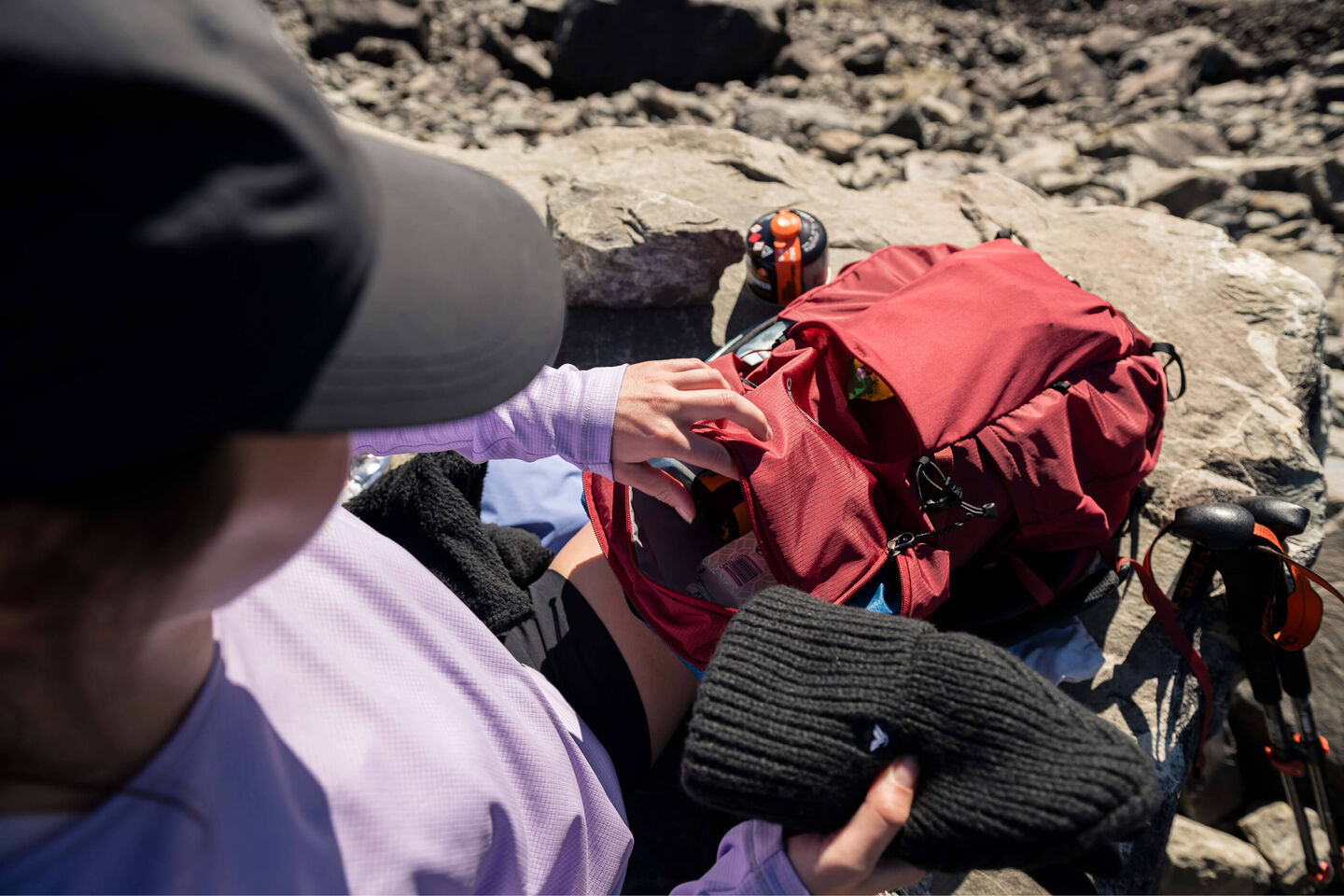
Your ‘quick-access gear’ and/or lightest gear should be packed at the top of your backpack, available to grab at a moment’s notice. Think trail mix, first aid kit, and anything else you might want to grab quickly. On exposed Australian trails, weather can change quickly, so keeping your rain jacket and insulation layers near the top of your pack for easy access is a smart move.
5. Side Pockets
Your most used gear should sit in the external pockets of your backpack. In many parts of Australia, carrying extra water, sun protection and a PLB (Personal Locator Beacon), is essential for remote trails and limited water sources.
6. Stabilise the Load
Find the gaps inside the hiking backpack and pack them with smaller soft items like socks or beanies to eliminate movement and keep the pack stable. You can also use the pack’s compression straps to cinch the pack and reduce its volume, preventing your gear from moving. You won’t be anyone’s favourite if you’re constantly having to stop and readjust your load.
Backpack Packing Tips for Comfort and Stability
Waterproof your pack
To add some waterproofing to your pack, use pack accessories like a pack liner or pack cover to protect your gear from water. When the rainclouds roll in or if your river crossing doesn’t quite go to plan, you’ll need to keep your gear dry.
Stabilise your pack
To stabilise your pack, use the compression straps to cinch it, securing your gear in place and keeping the pack (and you!) balanced.
Adjust and compress your pack
After packing your hiking backpack, use the adjustable straps to fit the backpack to your body. The method of adjustment will depend on the backpack size and harness type. If you’re unsure of how to do this, you can read our How To Fit A Hiking Backpack guide, or visit us in-store to get assistance with fitting your Macpac hiking pack.
Overpacking
We know, it’s tempting to bring all of those ‘just-in-case’ bits and pieces. But when you’re at the bottom of the saddle staring up at the hut on the peak, you’ll be glad you’ve only packed the essentials. You can check our packing lists for single and multi-day hikes if you’re stuck for what to bring on your adventure.
What to Pack for Different Types of Hikes
Not sure what to pack? We’ve got handy guides for that, too!
Recommended Gear
If you’re still planning your adventure and haven’t yet decided on a pack, you can explore our range of trusty Macpac hiking packs. Make sure to choose a pack that’s big enough for the length of your adventure: Choosing a day pack usually means keeping it small and simple, whereas choosing a multiday hiking pack can require a bit of thought about the type of environment you’ll be in.
Once your pack is sorted, you’re ready to choose the rest of the gear that’ll come with you on your adventure. Explore more hiking gear at Macpac Australia.
FAQs
How heavy should a hiking backpack be?
After packing, your hiking pack should weigh no more than 20-25% of your total body weight for multiday hikes. For shorter day hikes, aim to keep it even lighter.
If your pack is too heavy, you’ll get fatigued and place unnecessary strain on your back and knees, especially on uneven terrain or across multiple days. Keep your sleeping bag, tent, and spare water bottles low and close to your back. A well-packed backpack should feel stable and close to your body, not like it’s pulling you backwards.
- Day hike: keep it light, just essentials.
- Overnight/Multi-day: prioritise compact, multi-use equipment and only pack what you’ll realistically need.
What should I not pack?
Avoid overpacking “just in case” items, heavy duplicates, and gear you’re unlikely to use. Extra weight can quickly make your pack uncomfortable and harder to carry, especially on longer hikes.
Instead, prioritise lightweight, multi-use gear and only pack what you’ll realistically need. Keeping your pack lean will improve comfort, balance, and efficiency on the trail.
Hiking in Australia?
Trails are often more exposed and remote than in other parts of the world. Always carry extra water, sun protection, and an emergency beacon, even on shorter hikes.